This page contains affiliate links. If you purchase through them we may earn a small commission at no extra cost to you. Learn more
Getting Solar Panel Quotes: What to Expect
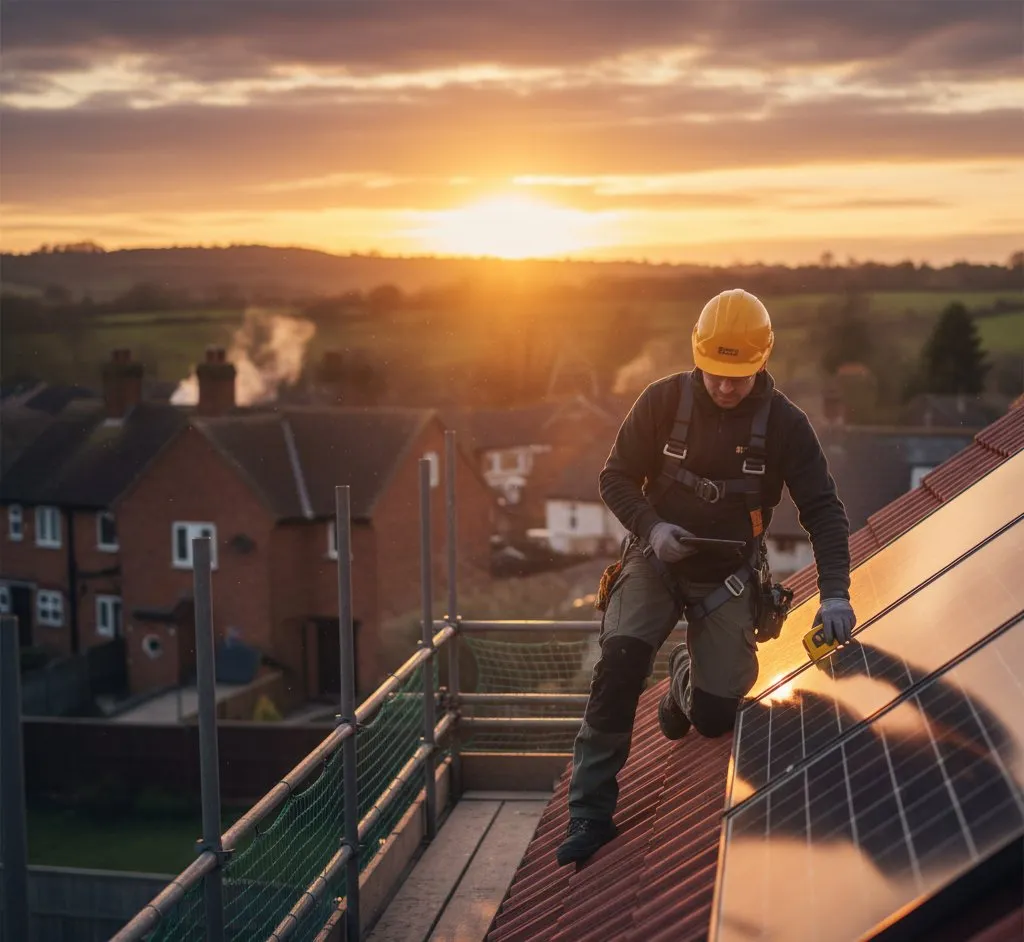
Most people get one or two solar quotes and go with the one that felt right in the meeting. That's understandable — the sales process is designed to build trust and close quickly. But getting the quoting process right can save you thousands and protect you from a poor installation. Here's how to do it properly.
How Many Quotes Do You Need?
Three is the practical minimum. Two quotes give you a comparison but no tiebreaker and no real sense of the market. Four or five quotes is ideal if you have the time — you'll quickly see where the outliers are (suspiciously cheap is as much a warning sign as suspiciously expensive).
The solar market is competitive enough that there's usually meaningful price variation for identical specifications. Don't feel disloyal to the first installer you spoke to — getting multiple quotes is standard practice and every reputable company knows this.
The Site Survey
A proper quote requires a site survey. At minimum, a legitimate installer will assess your roof using satellite imagery before quoting. For a firm, accurate quote, they should visit in person to:
- Assess roof condition, pitch, and orientation
- Check for shading at different times of day
- Inspect your consumer unit (also called a fuse board or fuse box) to confirm compatibility
- Check the location for the inverter
- Confirm whether scaffolding will be needed
Be wary of any installer who provides a firm price without any assessment. You can get rough ballpark figures online, but a real quote requires real information.
What a Good Quote Must Include
A thorough quote should be a document you can review at your desk, not a figure scribbled on a piece of paper. Here's what it should contain:
Equipment specification:
- Panel make, model, wattage, and number of panels
- Inverter make, model, and rated power
- Whether optimisers or microinverters are included (if relevant)
- Mounting system type
System performance estimate:
- Projected annual generation in kWh (not just "enough for your household")
- Estimated annual saving in £ based on your consumption
- Estimated SEG (Smart Export Guarantee — the scheme that pays you for electricity you send back to the grid) export income
- Payback period calculation with the assumptions clearly stated
Installation scope:
- Whether scaffolding is included or extra
- Whether DNO (Distribution Network Operator — the company that manages the power lines in your area) notification is included. Your installer handles this.
- Whether building regulations notification is included (if applicable)
- Any electrical upgrade work required (e.g., consumer unit)
Warranties:
- Panel product and performance warranty terms
- Inverter warranty terms
- Installer workmanship warranty (minimum 2 years; 5–10 years is better). This covers problems with the installation itself — roof leaks from mounting brackets, wiring faults, or panels coming loose.
Price and payment terms:
- Total price inclusive of all work
- VAT at 0% (confirm this is the rate applied)
- Payment schedule and deposit amount
- Finance options if applicable
Company details:
- MCS (Microgeneration Certification Scheme) certificate number
- Company registration number
- Insurance details
If a quote is missing any of these, ask for them. An installer who can't or won't provide a full written specification is not one you want working on your roof.
Comparing Quotes Like for Like
The biggest trap in comparing solar quotes is assuming that identical-sounding systems are actually identical. A "4kW system" from three different installers could involve three completely different combinations of panels, inverters, and mounting quality.
Build a comparison table. For each quote, note:
- Total system output (kWh/year estimate)
- Panel make, model, efficiency, and warranty
- Inverter make, model, and warranty
- Workmanship warranty length
- Scaffolding included?
- DNO notification included?
- Total price
Now you can compare. A quote that looks £800 cheaper might actually involve PERC panels with a 12-year warranty versus N-type panels with a 15-year warranty, and a shorter inverter warranty. That's a different product, not the same product at a better price.
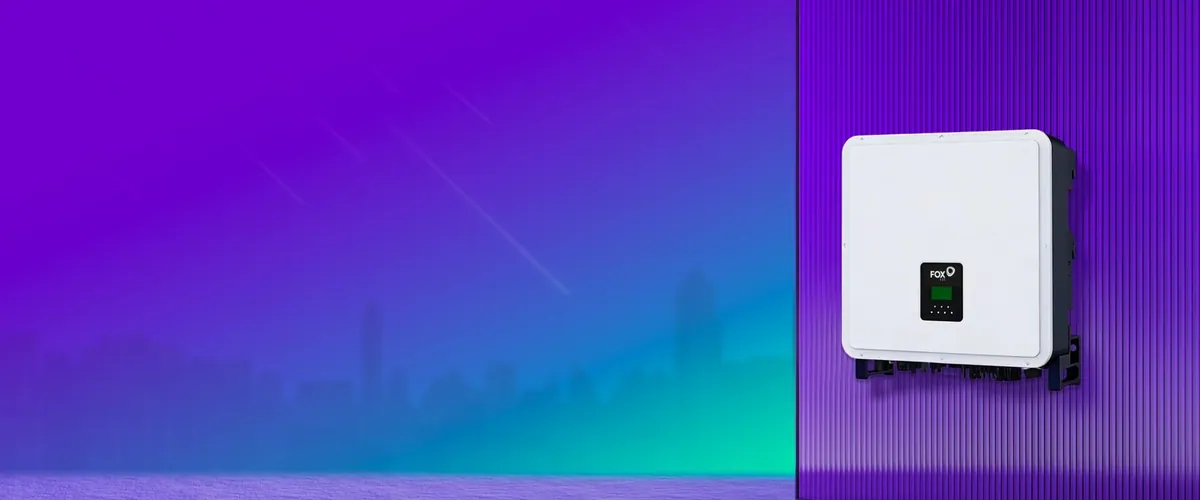
Fox ESS H3 PRO 5kW Hybrid Inverter
£1,0505
10
2
48V
Affiliate link — we may earn a small commission at no extra cost to you
Questions to Ask Every Installer
Before the survey:
- Are you MCS certified? (Without MCS certification, you can't claim export payments for electricity you send back to the grid. Verify independently at mcscertified.com.)
- Will you provide a full written specification with named components?
- Who will physically carry out the installation — your own employees or subcontractors?
During or after the survey:
- What is the projected annual generation in kWh, and what assumptions is that based on?
- Is there any shading risk, and how have you accounted for it?
- Do you suggest optimisers or microinverters for my roof, and if not, why not?
- What happens if there's a problem with my roof after installation?
- How long is your workmanship warranty, and what does it cover?
On price:
- Is VAT at 0% applied? (It should be for residential installations)
- Is scaffolding included?
- What's the payment schedule, and what is the maximum deposit?
- Is there a finance option, and if so, what is the APR?
Negotiating Is Perfectly Normal
Solar installers expect negotiation. If you have three quotes and your preferred installer is £600 more expensive, tell them. Show them the competing quote (you don't have to reveal which company). Most installers would rather match a competitor's price on a job they want than lose it entirely. This works particularly well for larger systems or if you're willing to be flexible on installation timing — a slot during a quieter period is worth something to them.
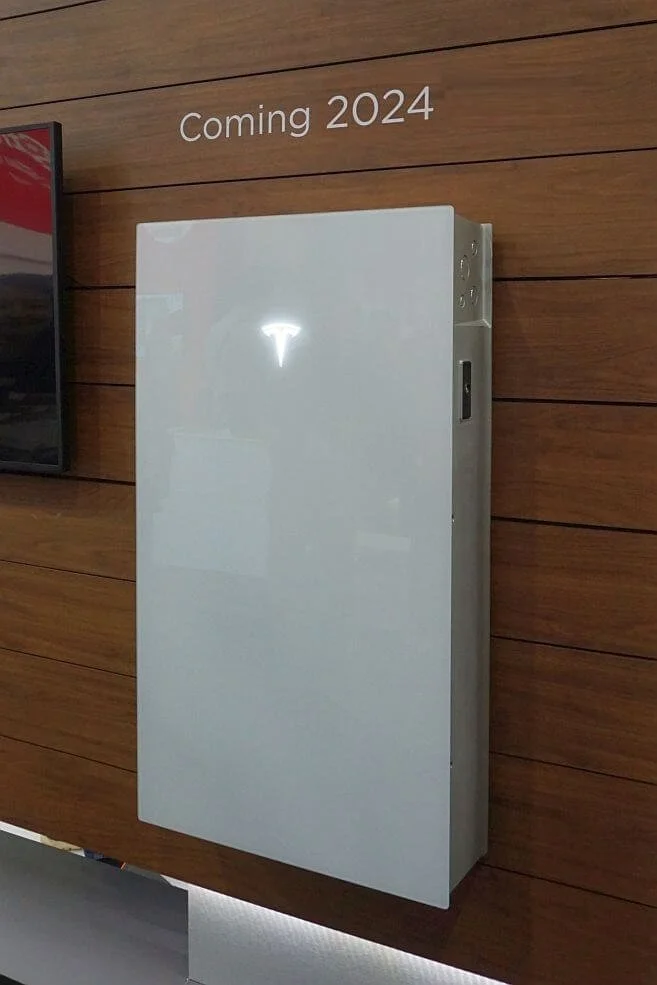
Tesla Powerwall 3
£8,50013.5
13.5
LFP
4000
Affiliate link — we may earn a small commission at no extra cost to you
Using Comparison Services
Quote comparison services let you submit your details once and receive multiple quotes. They're useful for generating initial contact with installers, but understand the business model: the service earns a referral fee from installers, which means the installers in the network are those willing to pay for leads, not necessarily the best local installers.
Use comparison services to get the process started, then supplement with direct approaches to highly-rated local installers you've found independently.
After You've Chosen
Once you've chosen an installer, get everything in a written contract before paying any deposit. The contract should match the quote exactly — if anything has changed or been removed, query it before signing.
Check what the typical costs are for your area and system size, and if you're considering spreading the cost, read our guide on solar finance options before committing.
Share this article

Order your Energy Performance Certificate online — see how solar improves your home's energy rating. Required before selling or renting. All assessors are fully accredited.
Affiliate link — we may earn a small commission at no extra cost to you
Stay informed
Get free solar updates direct to your inbox
Related reading

How to Find a Good Solar Panel Installer
What to look for in a solar installer, why MCS certification matters, and the red flags that should make you walk away.

How Much Do Solar Panels Cost in the UK in 2026?
UK solar panel costs 2026: realistic prices by system size, what is included, and what to push back on in your quote.


Switch to Octopus Energy
Get 50 credit when you switch. We get 50 too — win-win.

Prefer 100% renewable, community-owned?
Your Co-op Energy runs on 100% renewable electricity — profits reinvested in community energy projects.
What does this mean for YOUR home?
Design your perfect solar setup in under 3 minutes. Free, no sign-up required.
Build Your Solar System