This page contains affiliate links. If you purchase through them we may earn a small commission at no extra cost to you. Learn more
How Much Do Solar Panels Cost in the UK in 2026?
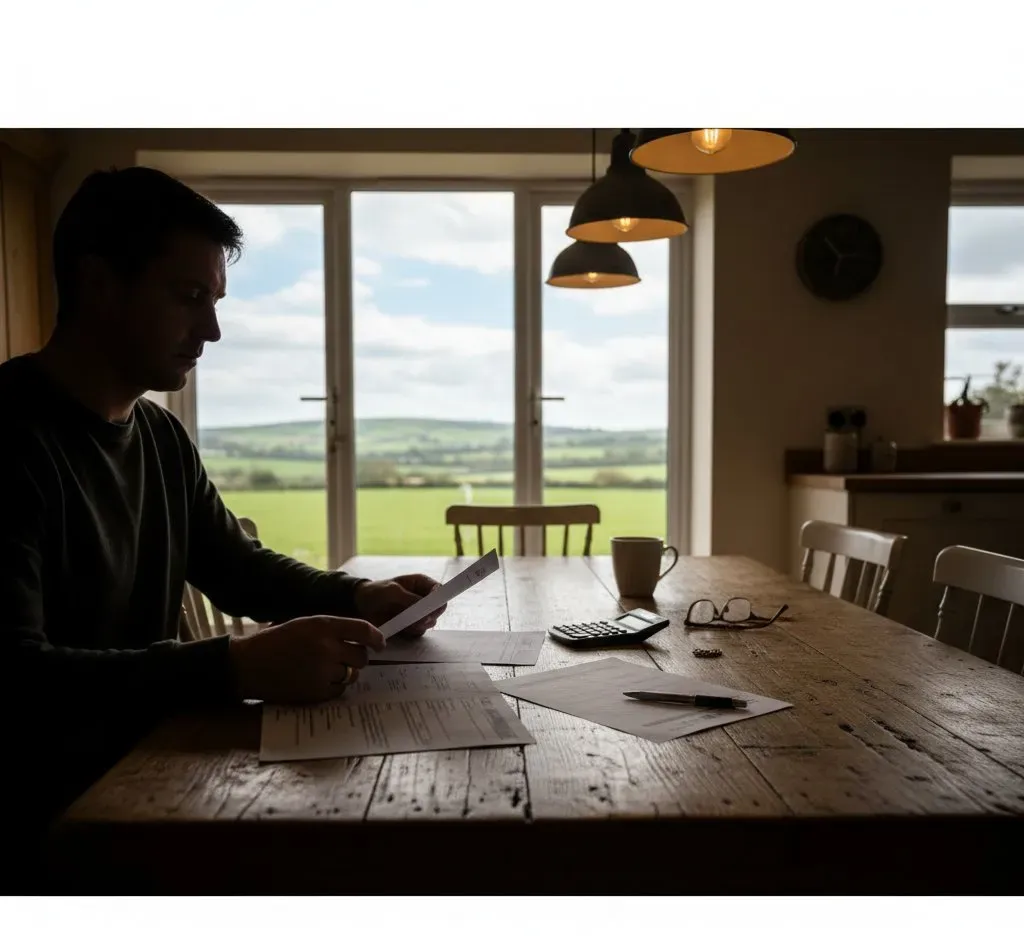
Solar panel prices have dropped significantly over the last decade, but quotes can still vary wildly. This guide cuts through the noise with realistic 2026 price ranges so you know what to expect — and what to push back on.
What Does a Solar Panel System Actually Cost?
The price you pay covers panels, an inverter, mounting hardware, cabling, and installation labour. Most UK homeowners go for a 4kW or 5kW system, which suits a typical 3–4 bedroom house.
Here's a realistic breakdown for 2026:
These are installed costs — panels, inverter, mounting, labour, and commissioning included. Don't accept a quote that doesn't spell out what's included.
Breaking Down the Costs
Solar Panels Themselves
Panels typically account for 30–40% of the total system cost. In 2026, N-type TOPCon panels (the current standard — modern panels using a technology called TOPCon, which is more efficient and lasts longer than older panel designs; you don't need to remember the name) cost roughly £55–£90 per panel from UK suppliers. For a 4kW system using nine 450W panels, that's roughly £500–£800 in panel hardware alone. Prices vary by supplier — City Plumbing sells LONGi 410W panels for around £57, while JA Solar's 450W N-type panels are around £82 from specialist solar suppliers.
The brand matters — premium panels from manufacturers like LONGi, JA Solar, or Trina carry better efficiency ratings and longer warranties, which affects long-term value even if the upfront price is slightly higher.
Inverter
The inverter converts DC electricity from your panels into AC electricity your home can use. A string inverter for a 4–5kW system costs £600–£1,200. Hybrid inverters (which can connect to a battery) cost £950–£1,400.
If you think you'll add battery storage later, it's worth paying for a hybrid inverter now — retrofitting one later adds cost.
Mounting and Racking
Roof mounting hardware typically adds £200–£500 depending on your roof type. Flat roof ballast systems cost more than standard pitched roof rail systems because they need more engineering.
Labour and Installation
A straightforward two-person team typically takes one to two days for a 4kW system. Labour usually runs £1,000–£2,000 depending on region — London and the South East tend to be at the top end.
Scaffolding
Most installers include basic scaffolding in their quote, but it's worth confirming. If your roof is particularly high or has tricky access, scaffolding can add £300–£600 on top.
Electrical Work and DNO Notification
Your installer needs to notify your DNO (Distribution Network Operator — the company that manages the power lines in your area) before commissioning (the final testing and sign-off of your system). This is usually included, and your installer handles it — just double-check it's in scope. If your consumer unit (fuseboard) needs upgrading, add another £300–£600.
What Affects the Price?
Roof complexity: A simple south-facing pitched roof is cheap to install on. Multiple roof planes, Velux windows, chimneys, or flat roofs all add time and therefore cost.
Location: Labour rates vary across the UK. Expect to pay 10–20% more in London versus, say, the Midlands or the North. Costs vary by region — see our local solar guides for area-specific pricing.
Panel brand and tier: Panels from established, financially stable manufacturers (often called Tier 1 — an industry classification based on the manufacturer's financial stability, not a quality grade, but it means the company is likely to still exist when you need to claim your warranty) cost more but offer better warranties and more predictable long-term performance.
Inverter type: String inverters are cheapest. Microinverters (one per panel) cost more upfront but handle shading better. Optimisers sit in the middle.
Battery storage: Adding a battery at the time of install typically costs an extra £2,500–£6,000 depending on capacity. It's almost always cheaper to add it at install time rather than retrofit later.
Scaffolding and access: If your property needs unusual access equipment, expect it to show in the quote.
VAT on Solar Panels
Since April 2022, solar panels installed on residential properties in the UK are zero-rated for VAT. This means you pay 0% VAT — a saving of 5% compared to the 5% reduced rate that applied before 2022. This zero-rating runs until March 2027, after which it reverts to 5% (not 20%). Make sure every quote you receive shows 0% VAT. If a quote includes 20% VAT on a residential installation, challenge it immediately.

If you're looking at panels individually (for a DIY project or to compare against installer quotes), here's our top pick for best value per watt:
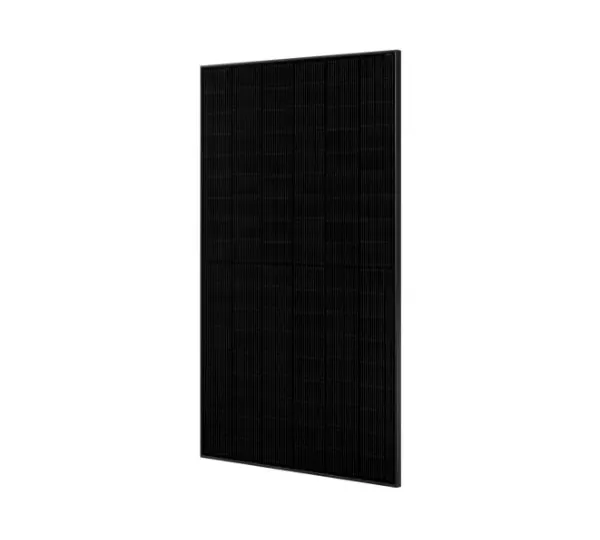
JA Solar JAM54D41 450W N-type TOPCon
£82450
22.8
1722 x 1134 x 30
21.5
Affiliate link — we may earn a small commission at no extra cost to you
Comparing Panel Brands
These are the most popular panel brands being installed in UK homes in 2026. All are N-type TOPCon cells — the current generation technology offering better efficiency and lower degradation than the older PERC panels. (PERC is the older, slightly cheaper panel technology — still perfectly good, but N-type panels degrade more slowly over their 25–30 year life.)
Our pick for most UK installations is the LONGi Hi-MO X6 450W — 23% efficiency, 30-year performance warranty, and widely available through UK installers.
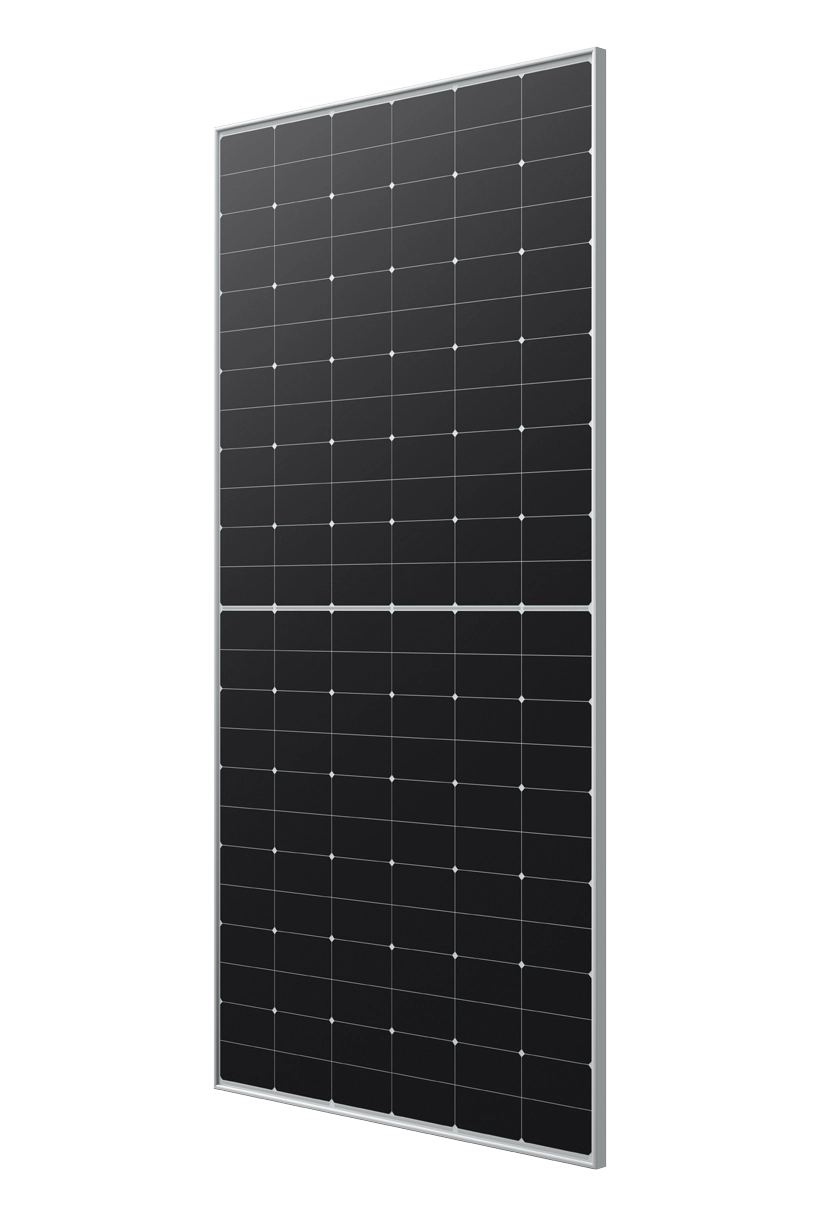
LONGi Hi-MO X6 450W
£85450
23
1722 x 1134 x 30
21.3
Affiliate link — we may earn a small commission at no extra cost to you
How to Get the Best Price
Getting multiple quotes is the single most effective thing you can do. The spread between the cheapest and most expensive quote for identical systems can easily be £1,500–£2,000.
See our guide on getting solar panel quotes for exactly what to look for and the right questions to ask.
If upfront cost is the barrier, there are grants and funding options worth exploring before you rule anything out, as well as finance options that let you spread the cost.

Heatable
Award-winning serviceUK home energy installer — solar panels, batteries, heat pumps and boilers. Fast quotes, Trustpilot rated, no pushy sales.
Get a free installation quoteAffiliate link — we may earn a small commission at no extra cost to you

OVO Solar & Heating
Trusted UK installerOVO has carefully selected trusted teams across the UK to install solar panels and heat pumps. Enjoy the personal touch of a local expert with the peace of mind of a household name.
Get a free quote from OVOAffiliate link — we may earn a small commission at no extra cost to you
Is It Worth It?
At current electricity prices (around 24–25p/kWh in 2026), a 4kW system generating 3,400 kWh per year saves you roughly £600–£850 annually on electricity, depending on how much of your generation you use directly versus export. Add Smart Export Guarantee (SEG) payments for export, and payback periods of 7–10 years are realistic for most UK homes.
The short version: yes, it's generally worth it — especially if you use power during the day, have an EV, or plan to add battery storage.
Bill breakdown
See exactly where your electricity bill goes with solar. Adjust the sliders to match your situation.
3,500 kWh
4 kW (9 x 450W)
None
Share this article

Sell your property fast — solar panels can increase your home's value and make it more attractive to buyers
Affiliate link — we may earn a small commission at no extra cost to you
Stay informed
Get free solar updates direct to your inbox
Related reading
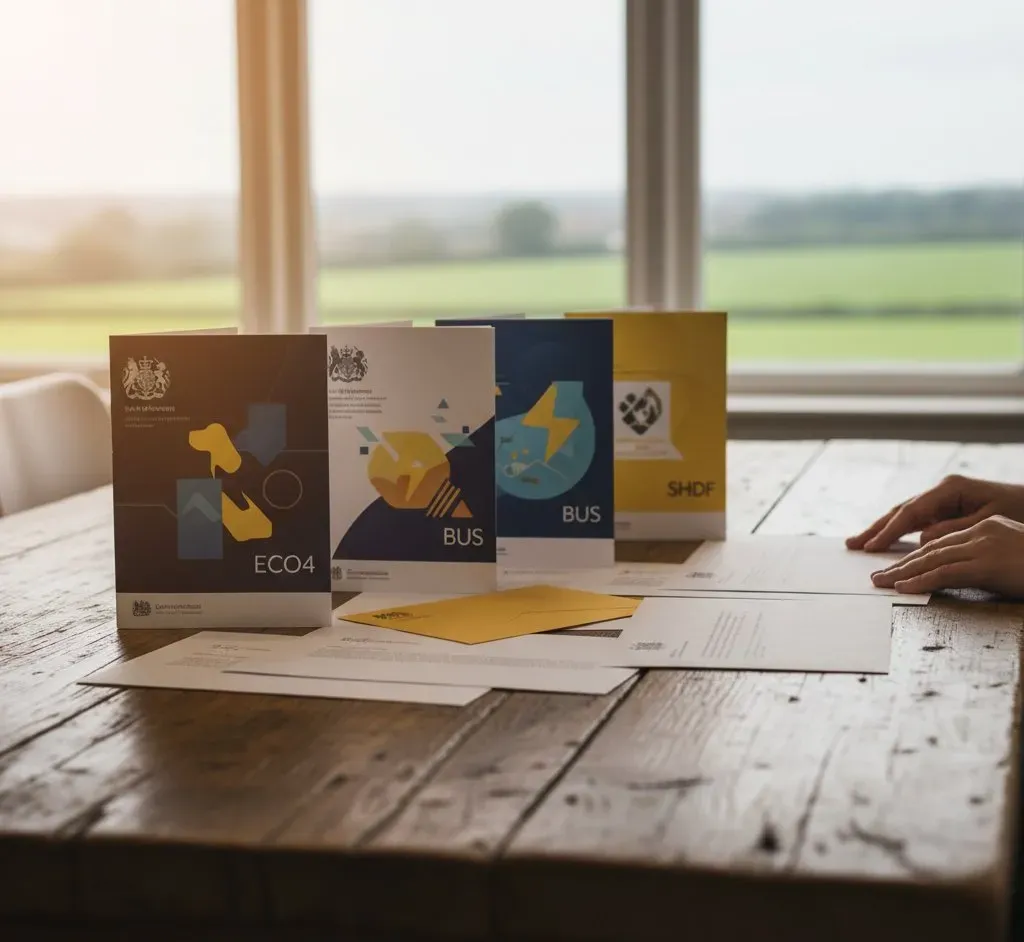
Solar Panel Grants and Funding UK 2026
A plain-English guide to every solar grant, scheme, and funding route available in the UK in 2026 — including ECO4, GBIS, HUG2, BUS, and devolved schemes.

How to Pay for Solar in the UK: Finance Options Compared
Every way to finance solar in the UK compared — cash, loans, green finance, leases, rent-a-roof, and what to avoid. Includes grants-first checklist.


Switch to Octopus Energy
Get 50 credit when you switch. We get 50 too — win-win.

Prefer 100% renewable, community-owned?
Your Co-op Energy runs on 100% renewable electricity — profits reinvested in community energy projects.
What does this mean for YOUR home?
Design your perfect solar setup in under 3 minutes. Free, no sign-up required.
Build Your Solar System