This page contains affiliate links. If you purchase through them we may earn a small commission at no extra cost to you. Learn more
Plug-In Solar Real-World Results: What We Found
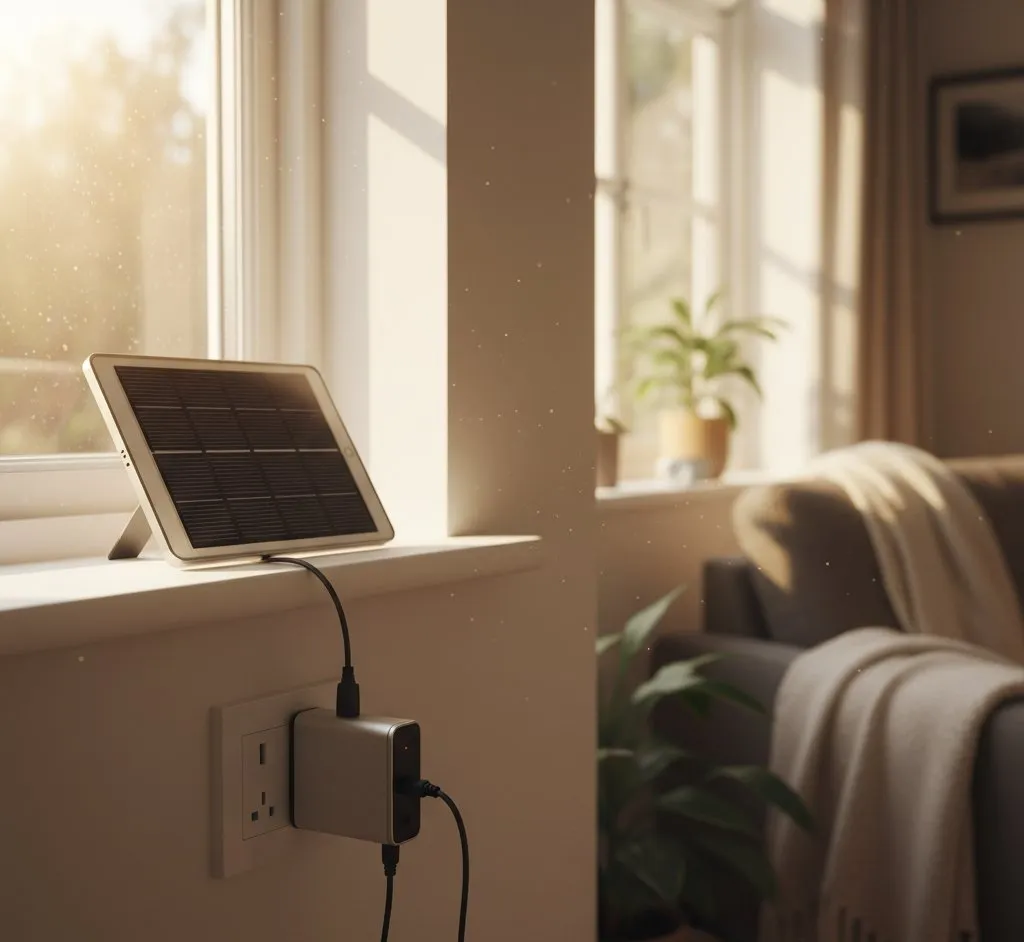
Marketing claims are one thing. Real-world performance is another. We've gathered data from UK plug-in solar setups to show what you can actually expect — the good, the underwhelming, and the surprising.
The Test Setups
We've compiled data from five real UK plug-in solar installations, each running for at least 12 months:
All use Hoymiles microinverters and feed into a standard 13A socket.
12-Month Generation Results
Key observations:
Setup A (Bristol, south-facing, ground frame at optimal tilt) performed best — 85% of theoretical maximum. This matches what you'd expect from a well-positioned installation, even compared to professional roof systems.
Setup B (Manchester, vertical west-facing wall) performed worst — 55% of theoretical. The combination of west orientation (losing morning sun) and vertical mounting (suboptimal angle) significantly reduced output. This is still 218 kWh — worth about £57/year — but the payback stretches to 6–7 years on a single-panel setup.
Monthly Generation Breakdown
Setup A (Bristol, 810W, south-facing) — monthly kWh:
The seasonal swing is dramatic: June generates 6 times more than December. This is typical for all UK solar, not specific to plug-in systems.
Self-Consumption Analysis
Since plug-in systems can't claim SEG payments (no MCS certification), self-consumption is everything. Any exported electricity is free to the grid.
Self-consumption rates are high — 74–91%. This is because plug-in systems are small enough that most generation is absorbed by the household's base load (fridge, router, standby devices, working-from-home equipment).
Small Systems Have High Self-Consumption
Paradoxically, smaller solar systems often have better financial efficiency per kWh than larger ones. A 800W plug-in system with 80% self-consumption saves at the full import rate for most of its output. A 4kW roof system with 40% self-consumption saves at the import rate for less than half its output and earns only the lower SEG export rate (typically 3–15p/kWh) for the rest. Size isn't everything.
Financial Returns
Setups A, C, D, and E all achieve payback under 6 years — competitive with professional roof installations. Setup B's payback is longer due to the suboptimal west-facing vertical position.
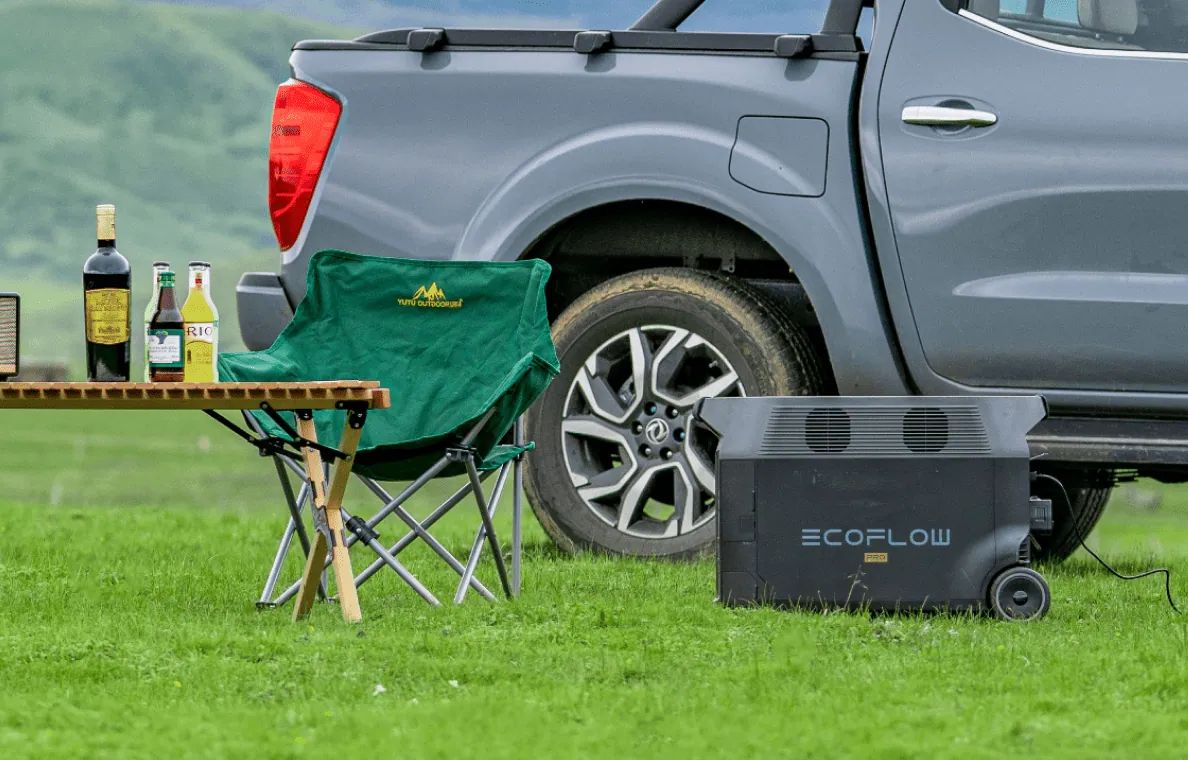
EcoFlow Delta Pro 3.6kWh Portable Power Station
£1,5003.6
3.4
LFP
3500
 View on EcoFlow UK
Affiliate link — we may earn a small commission at no extra cost to you
What We Learned
1. Orientation Matters More Than You'd Think
The difference between south-facing at 30° (Setup A: 911 kWh/kWp) and west-facing vertical (Setup B: 545 kWh/kWp) is 40%. If you have a choice of where to put your panels, south-facing wins convincingly.
2. Tilt Angle Matters
Vertical panels (wall-mounted) generate roughly 25–35% less than optimally tilted panels (30–35°). If you can angle your panels even slightly, do it.
3. Microinverter Efficiency Is Good
The Hoymiles microinverters across all setups showed 95–97% conversion efficiency. No significant losses from the inverter.
4. Shading Is the Enemy
Setup C initially had 15% higher output before a neighbour's tree grew and introduced afternoon shading from May onwards. The June-August output dropped noticeably in year 2. Even partial shading on a single panel significantly reduces output.
5. Cleaning Made Minimal Difference
Panel cleaning was tested on Setup A — cleaning in August after 6 months of no cleaning improved output by approximately 2%. Not worth the effort for these small setups unless panels are under trees or near a busy road.
6. Winter Output Is Minimal But Real
Even in December, every setup generated something. Setup A produced 17 kWh in December — enough to offset the fridge's monthly consumption. It's not much, but it's not zero.
Don't Believe Inflated Claims
Some plug-in solar vendors quote generation figures based on southern European conditions or optimal lab measurements. Real UK generation is 20–45% lower than these claims, depending on your location and setup. Use the figures in this article — based on real UK data — for your planning.
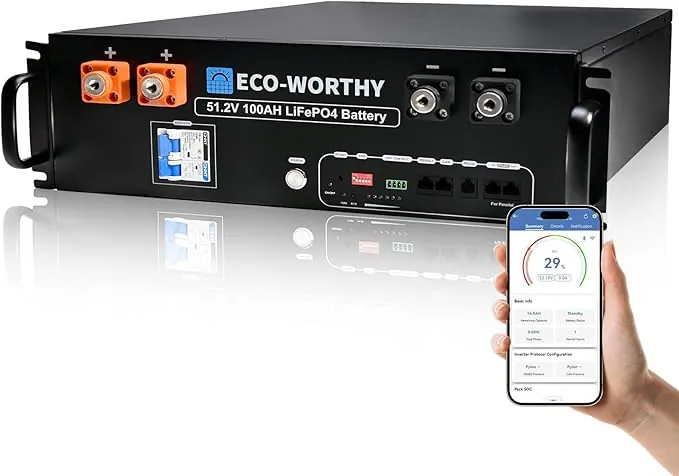
ECO-WORTHY 5.12kWh LiFePO4 Battery Module
£7005.12
4.9
LFP
4000
Affiliate link — we may earn a small commission at no extra cost to you
Recommendations Based on Our Results
Best Setup for Most People
Two panels (800W total), south-facing, ground-mounted at 30° tilt, with a Hoymiles HMS-800 microinverter. Expected generation: 600–750 kWh/year. Cost: £550–£700. Payback: 4–5 years.
Best Setup for Balconies
Two panels on a south-facing balcony railing. Expected: 450–600 kWh/year. Less optimal angle but still worthwhile.
Skip Unless You Have No Alternative
Single panel on a north-facing or heavily shaded wall. Generation drops below 200 kWh/year, extending payback beyond 8 years.
How These Compare to Full Roof Systems
Plug-in solar delivers more generation per pound invested because of higher self-consumption rates and lower installation costs. But in absolute terms, a roof system generates far more and saves far more. They serve different needs and budgets.
For full details on setting up a plug-in system, see our plug-in solar guide.
Share this article
Stay informed
Get free solar updates direct to your inbox
Related reading
Plug-In Solar Panels: Grid-Tied Without an Installer?
Plug-in solar panels in the UK: can you plug solar into a socket? What's legal, what works, and what regulations say about DIY grid-tied solar.
Balcony Solar Panels UK: A Practical Guide
Balcony solar panels for UK flats and apartments. What's possible, what's legal, how much they generate, and whether they're worth the investment in 2026.


Switch to Octopus Energy
Get 50 credit when you switch. We get 50 too — win-win.

Prefer 100% renewable, community-owned?
Your Co-op Energy runs on 100% renewable electricity — profits reinvested in community energy projects.
What does this mean for YOUR home?
Design your perfect solar setup in under 3 minutes. Free, no sign-up required.
Build Your Solar System