This page contains affiliate links. If you purchase through them we may earn a small commission at no extra cost to you. Learn more
Intelligent Octopus Go: Solar + EV Charging
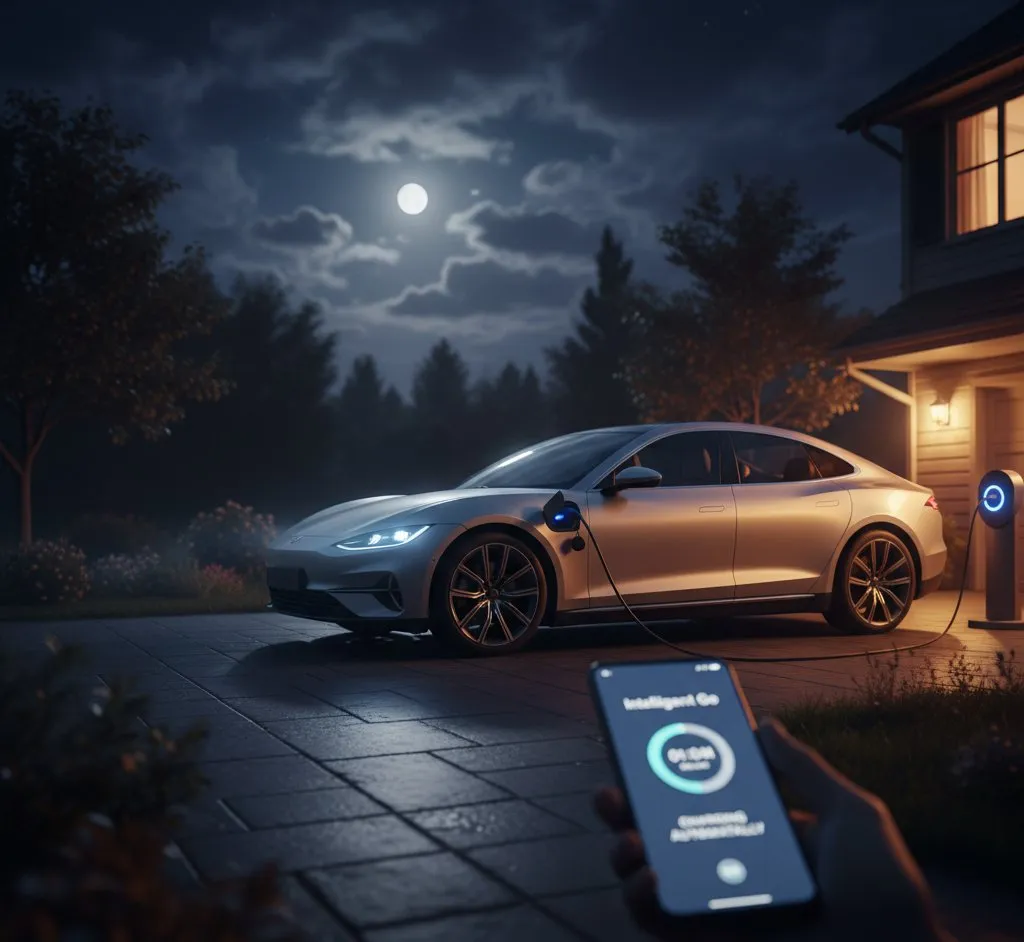
What makes Intelligent Go different from standard Go?
Standard Octopus Go gives you a fixed 5-hour cheap window (00:30–05:30). You schedule your EV to charge during those hours and that's it.
Intelligent Octopus Go takes a different approach. You hand over control of your charging schedule to Octopus's smart platform, and in return you get:
- A longer guaranteed cheap window — 23:30 to 05:30 (6 hours vs 5)
- Bonus cheap slots — throughout the day and evening, whenever the grid has surplus renewable energy or wholesale prices drop, Octopus extends the cheap rate to your charger
- Smart scheduling — you tell the app "I need 80% by 7am" and it figures out the cheapest way to get there
In practice, many Intelligent Go users report getting 8–12 hours of cheap-rate electricity per day, not just the guaranteed 6. Those bonus slots add up to significant savings.
6-hour cap auto-applied from 2026
From 2026, Intelligent Octopus Go auto-caps smart-charging at the off-peak rate at a maximum of 6 hours per day. The cap was already in the tariff terms; it is now enforced automatically at the scheduler level. Octopus says around 80% of sessions already stayed inside 6 hours, so most households see no change. For large-battery EVs charging from very low state-of-charge, or homes running a big home battery + EV on the same tariff, you may need to split the charge across two nights or accept standard rate for the overflow. See [[intelligent-octopus-go-6hr-cap]] in the knowledge base for worked examples.
How the smart charging works
Here's the daily flow:
You set your preferences:
- What time you need the car ready
- What charge level you want (e.g., 80%)
- Whether you want to override and charge immediately (for unexpected trips)
Octopus does the maths:
- Calculates how many kWh are needed
- Identifies the cheapest half-hour slots between now and your departure time
- Sends charge/pause commands to your charger or vehicle throughout the night
The result: Your EV is ready when you need it, charged at the lowest possible cost. The system might charge for an hour, pause, charge again at 2am, pause, then finish at 4am — whatever pattern uses the cheapest electricity.
Compatible chargers and vehicles
This is the main barrier to entry. You need either a compatible smart charger or a compatible vehicle:
Compatible chargers (most common route):
- Ohme Home Pro and Ohme ePod
- Myenergi Zappi (v2 with hub)
- Wallbox Pulsar Plus
- Indra Smart PRO
- Hypervolt Home 3.0
- Easee Charge
Compatible vehicles (direct vehicle integration):
- Tesla Model 3, Y, S, X (via Tesla API)
- BMW i4, iX, and various PHEV models
- Volkswagen ID.3, ID.4, ID.5
- Various other models — check the Octopus app for the current list
If your charger is a basic "dumb" unit without smart connectivity, you can't use Intelligent Go. You'd need to upgrade to a compatible charger or use standard Go instead.
Zappi owners: check your setup
The Myenergi Zappi works with Intelligent Go, but you need the Zappi v2 connected to a Myenergi Hub. The Hub connects your Zappi to the internet, enabling Octopus to send charge/pause commands. Without the Hub, your Zappi is effectively offline and can't participate in smart scheduling.
Intelligent Go + solar: the optimal setup
When you combine Intelligent Go with solar panels, the energy economics become exceptional:
Daytime: Solar panels power your home. Any surplus charges your home battery or diverts to your EV if it's plugged in (via Zappi's solar mode or similar).
Evening: Home battery discharges to cover your needs. EV charging waits for the cheap window.
Overnight (23:30–05:30): EV charges at 8p/kWh. Home battery tops up at 8p/kWh. The 6-hour window covers whole-home consumption, with smart-charge scheduling capped at 6 hours per day. Any bonus cheap slots extend this window.
Bonus slots: On days with high wind or solar generation on the grid, Octopus gives you extra cheap-rate hours. Your EV and battery soak up this cheap electricity whenever it's available.
The combination of free solar, cheap overnight imports, and bonus slots means your effective average electricity cost can drop below 10p/kWh across all consumption — including EV charging.
Real savings: Intelligent Go vs standard Go
For a household doing 8,000 miles/year in an EV (~2,400 kWh):
Standard Go (5-hour window at ~7.5p):
- EV charging: 2,400 kWh × 5.5p = £132/year
- All charging must fit in 00:30–05:30
Intelligent Go (6 hours/day cap, bonus slots):
- EV charging: 2,400 kWh × 8p = £192/year (well inside the 6-hour cap for most mileages)
- Charging spread across optimal windows, less battery stress, plus bonus cheap slots whenever the grid has surplus
The headline rate on Go and Intelligent Go aren't the same — Go advertises a lower overnight rate than Intelligent Go's 8p/kWh smart-charge rate, but Intelligent Go bundles a 6-hour whole-home cheap window plus smart scheduling. The net monthly bill depends on how much of your charging Octopus can move into bonus cheap slots.
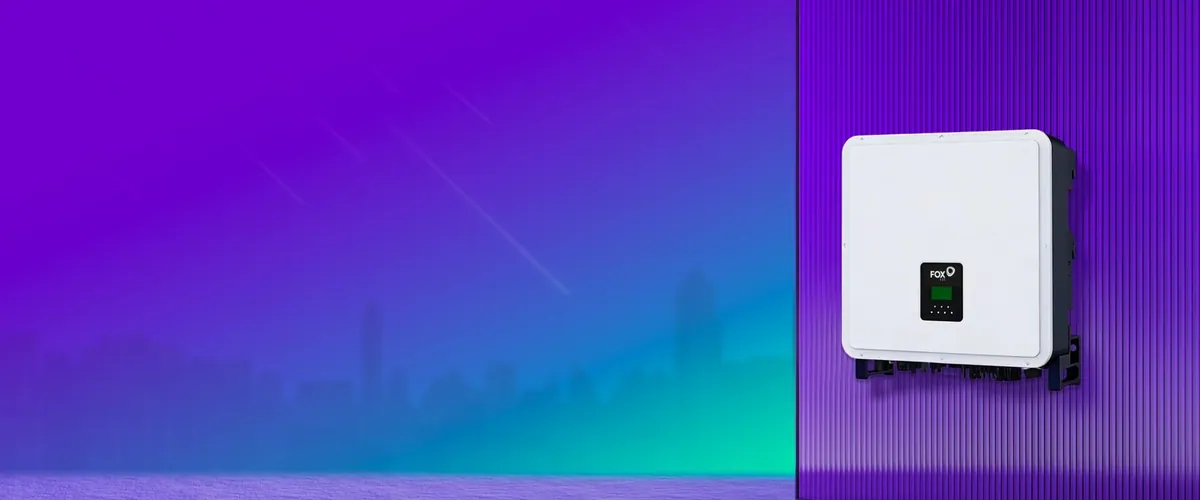
Fox ESS H3 PRO 5kW Hybrid Inverter
£1,0505
10
2
48V
Affiliate link — we may earn a small commission at no extra cost to you
Setting up Intelligent Go
- Confirm compatibility — check the Octopus app or website for your charger/vehicle
- Join Octopus Energy — switch your supply if not already a customer
- Install the Octopus app — this is where you manage your charging schedule
- Link your charger/vehicle — follow the in-app instructions to connect your hardware
- Set your charging preferences — departure time, target charge level
- Select Intelligent Go — switch to the tariff from your account dashboard
The setup typically takes 15 minutes once you're an Octopus customer with a compatible charger.
Don't bypass the smart scheduling
If you set your EV to charge immediately (overriding Intelligent Go's scheduling), you'll pay the standard day rate — which is ~24.67p/kWh. Only use the override for genuine emergencies. Otherwise, trust the system to charge at the cheapest times. Some users also report issues when the charger's own scheduling conflicts with Octopus's commands — disable any built-in charge timers on the charger itself.
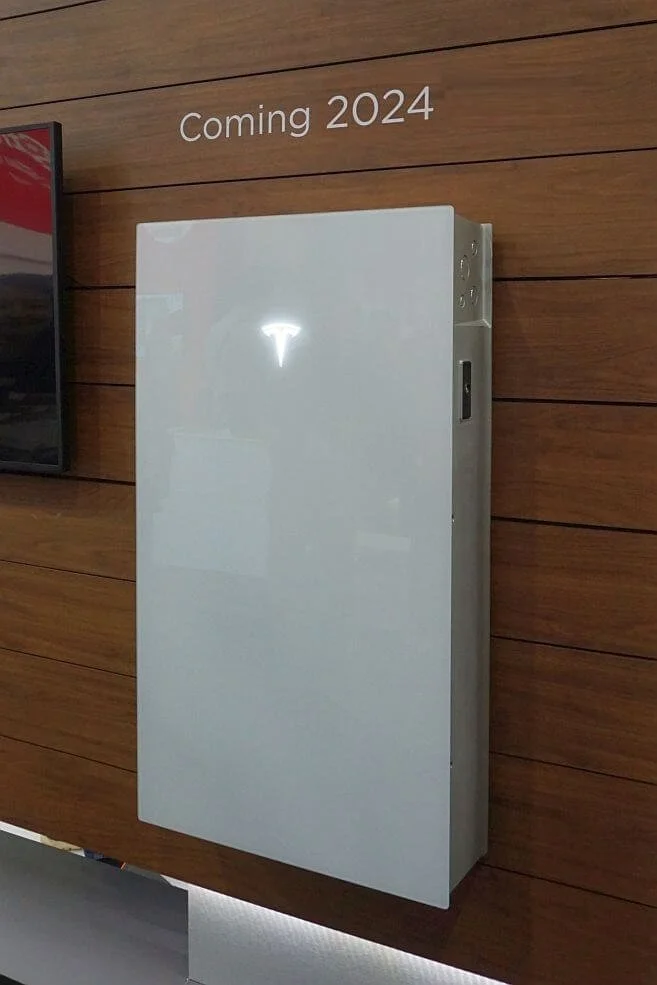
Tesla Powerwall 3
£8,50013.5
13.5
LFP
4000
Affiliate link — we may earn a small commission at no extra cost to you
Intelligent Go vs Flux for solar + EV
Both tariffs suit solar households, but they optimise for different things:
Intelligent Go optimises for: cheap EV charging
- Best for: heavy EV users, long commutes, multiple EVs
- Export rate: basic SEG (you'd sign up separately)
- Battery strategy: charge overnight cheaply
Flux optimises for: peak export income
- Best for: large solar systems that export a lot
- Export rate: premium peak-time rates built in
- Battery strategy: charge from solar, export at peak
If your EV is your biggest electricity consumer, Intelligent Go edges ahead. If your solar system generates significant surplus and you want to maximise export income, Flux is better.
Some households run Intelligent Go for electricity import (including EV charging) and a separate export tariff like Agile Outgoing for exports. This gives you cheap imports and variable high-value exports — the best of both worlds, though it requires more management.
Tips for getting the most from Intelligent Go
- Plug in every night — even if your EV doesn't need a full charge, plugging in lets the system use bonus slots whenever they appear
- Set realistic targets — don't request 100% every night. Most EVs prefer staying at 80% for battery health, and lower targets give Octopus more flexibility to find cheap slots
- Let solar charge during the day — if your EV is at home during the day, a Zappi in solar mode adds free solar kWh before the overnight session
- Combine with a home battery — the cheap overnight rate applies to everything, not just EV charging. Fill your home battery too
- Check the app for bonus slot patterns — over time you'll notice when bonus slots tend to appear (often early evening or mid-afternoon on windy days). You might spot patterns that help you schedule other tasks
Share this article
Stay informed
Get free solar updates direct to your inbox
Related reading
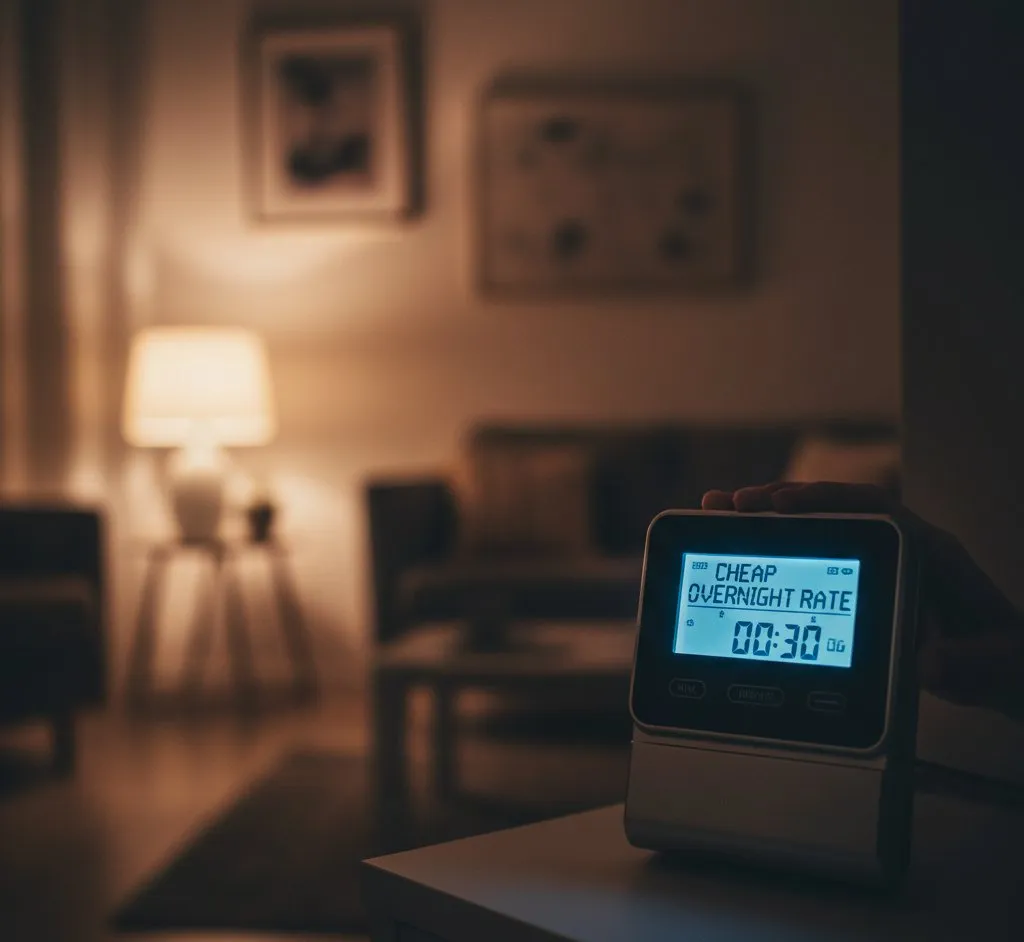
Octopus Go and Intelligent Go Explained
How Octopus Go and Intelligent Octopus Go work for UK households with EVs and solar panels — rates, eligibility, and real-world savings in 2026.
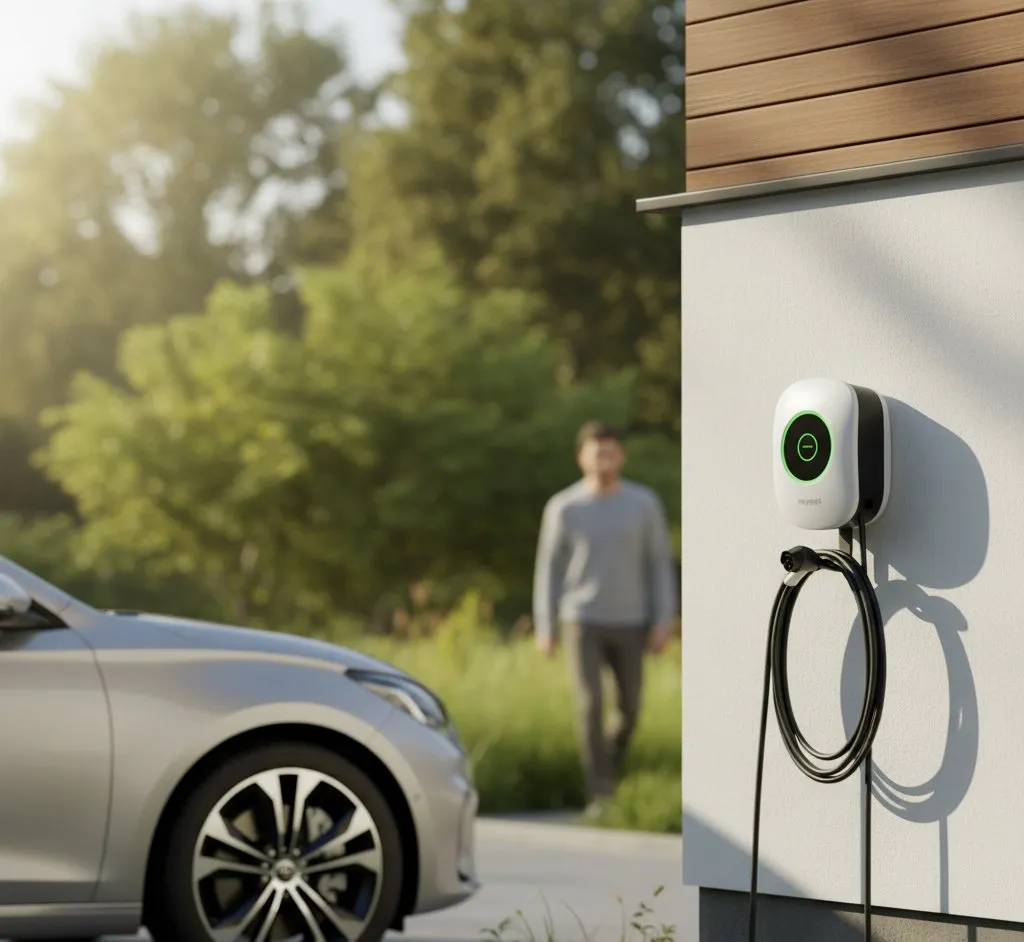
Myenergi Zappi: The Solar EV Charger
In-depth review of the Myenergi Zappi EV charger for UK solar homes — solar charging modes, installation, costs, and how it compares to standard chargers.


Switch to Octopus Energy
Get 50 credit when you switch. We get 50 too — win-win.
Prefer 100% renewable, community-owned?
Your Co-op Energy runs on 100% renewable electricity — profits reinvested in community energy projects.
What does this mean for YOUR home?
Design your perfect solar setup in under 3 minutes. Free, no sign-up required.
Build Your Solar System