This page contains affiliate links. If you purchase through them we may earn a small commission at no extra cost to you. Learn more
E.ON Next Drive Tariff Review

What is E.ON Next Drive?
E.ON Next Drive is E.ON's EV-focused electricity tariff. Like Octopus Go, it offers a cheap overnight rate designed for EV charging, with a standard rate during the day.
Typical E.ON Next Drive rates (April 2026):
The overnight window is notably generous — 7 hours compared to standard Go's 5 hours. This makes scheduling easier and gives you more flexibility for non-EV overnight loads too.
The day rate is competitive with standard flat tariffs (often the same or very close), which means you're not penalised for daytime usage. As of April 2026, Octopus Go's day rate is also in line with the standard flat tariff, so both tariffs are comparable on daytime costs.
How it compares to Octopus Go
This is the comparison everyone makes, so let's be direct:
E.ON Next Drive wins on: longer cheap window (7 hours vs 5), simplicity.
Octopus Go wins on: cheaper off-peak rate (5.5p vs 7p), standardised ecosystem (Flux, Agile Outgoing available separately).
Intelligent Octopus Go wins on: smart-charging integration, bonus cheap slots, a longer 6-hour window versus 5, with the caveat that from 2026 the smart-charge rate of 8p/kWh is auto-capped at 6 hours/day (around 80% of sessions already stayed inside this limit, so most households see no change).
Day rates are broadly aligned with the April 2026 Ofgem price cap (~24.67p), so daytime imports are close to equally priced. The key differentiator is the overnight rate and window length — Go's ~7.5p undercuts E.ON's 7p for straight battery charging; Intelligent Go's 8p smart-charge rate is offset by its longer window and bonus slots for EV households.
E.ON Next Drive with solar panels
Solar and E.ON Next Drive pair well, particularly because of the competitive day rate:
Daytime (solar generating): Your panels produce electricity. You self-consume what you can, store surplus in your battery if you have one, and export any excess. Cloudy-day imports at 24.67p are the same as a typical flat tariff, so there's no penalty for low solar days.
Evening (solar stopped): Battery discharges if you have one. Any grid imports at 24.67p — again, no worse than a flat tariff.
Overnight (midnight–7am): Battery charges at 7p. EV charges at 7p. Any other scheduled loads at 7p. Seven hours is plenty of time even for a large EV battery from near-empty.
E.ON's day rate matches the April 2026 Ofgem price cap (24p), so there's no downside to switching. You get cheap overnight electricity as a bonus without paying a premium during the day.
The 7-hour window is underrated
With Octopus Go's 5-hour window (00:30–05:30), there's still more pressure to schedule EV and battery charging efficiently. With E.ON's 7-hour window (midnight–7am), there's no stress. A typical EV adding 30 miles of range per hour on a 7kW charger can add 210 miles of range overnight — more than enough for almost any daily driving pattern.
Savings analysis
Household with 4kWp solar, 10kWh battery, EV doing 8,000 miles/year:
On a flat 24.67p tariff:
- Home imports: 1,800 kWh × 24.67p = £444
- EV charging: 2,400 kWh × 24.67p = £592
- Total: £1,036/year
On E.ON Next Drive Smart (8p overnight, Q2 2026):
- Home imports (1,200 kWh overnight at 8p + 600 kWh at 24.67p): £244
- EV charging (2,400 kWh overnight at 8p): £192
- Total: £436/year
Saving: ~£600/year
On Octopus Go (for comparison, ~7.5p overnight):
- Home imports (1,200 kWh at ~7.5p + 600 kWh at 24.67p): £238
- EV charging (2,400 kWh at ~7.5p): £180
- Total: £418/year
Octopus Go comes out ~£18/year cheaper in this scenario (7.5p vs 8p overnight). E.ON's advantage is the longer 7-hour window and simpler scheduling — the rates are now similar. The choice comes down to customer service, app experience, and whether you want Octopus's wider tariff ecosystem.
Export options with E.ON
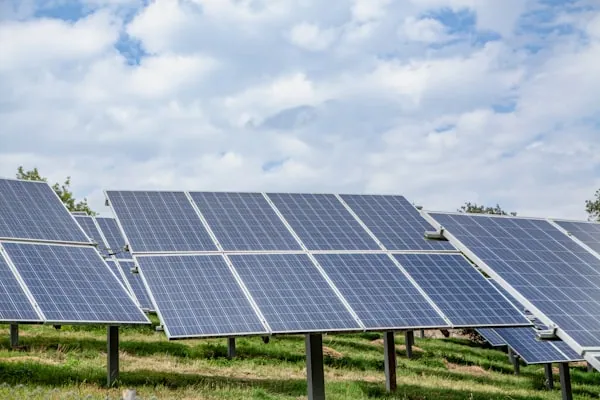
E.ON offers a SEG tariff for solar exports, but it's typically a basic fixed rate — check their current rate as it has historically been lower than the best alternatives. The best fixed SEG rates are around 12–15p/kWh as of early 2026, though most major suppliers offer 3–5p/kWh basic rates.
Remember: you don't have to export with E.ON just because you import from them. You can import on E.ON Next Drive and export via Octopus Agile Outgoing or another supplier's SEG. This requires separate accounts but is perfectly legal and can significantly boost your export income.
If maximising export value matters to you — particularly if you have a large solar system — E.ON's basic export rate is a weakness compared to Octopus's integrated options like Flux.
Eligibility and sign-up
To get E.ON Next Drive, you need:
- An electric vehicle (E.ON may ask for proof, such as a V5C document)
- A smart meter (E.ON will install one free if you don't have one)
- To be an E.ON Next customer (switch your supply if not already)
There's no requirement for a specific charger brand — any EV charger works, including a basic granny charger, as long as you schedule it for the overnight window.
Sign-up is through the E.ON Next website or app. The process typically takes 2–3 weeks for a full supply switch, after which you can select the Drive tariff.
Check the current rates before switching
E.ON adjusts their Drive tariff rates periodically. The rates quoted in this article reflect April 2026. Always check the current rates on E.ON's website before committing, and compare with your current tariff to ensure you'll actually save money. The competitive landscape changes frequently.

If you're setting up an EV charging setup alongside E.ON Next Drive, consider these chargers:
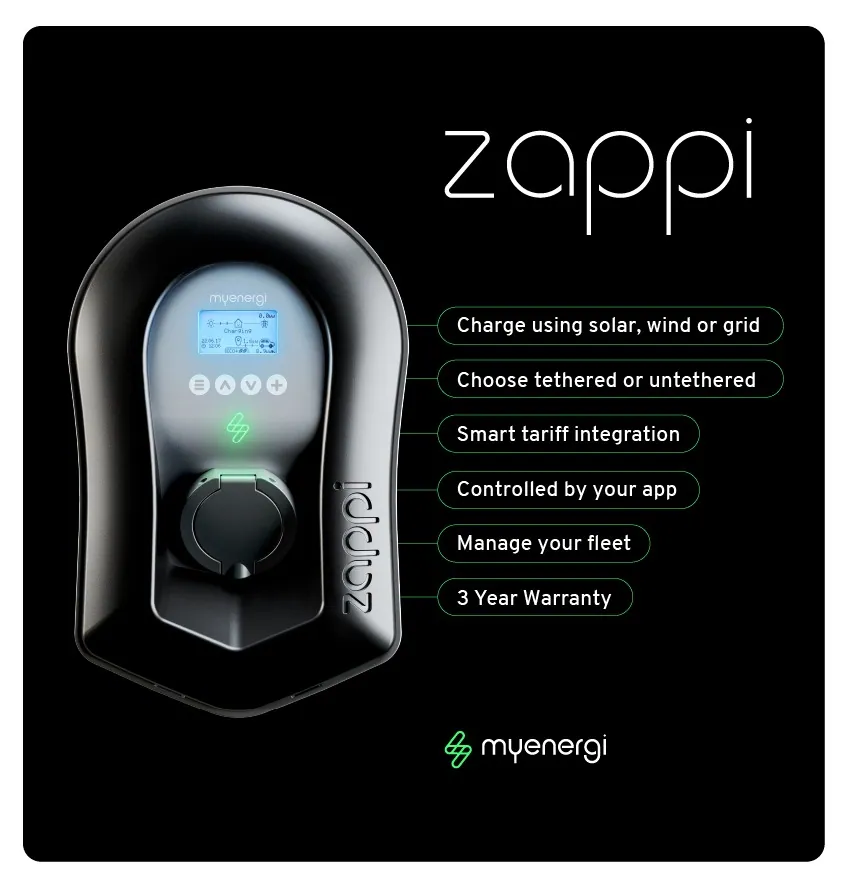
myenergi Zappi 22kW EV Charger
£78022
7.4
22
fast,eco,eco_plus
Affiliate link — we may earn a small commission at no extra cost to you
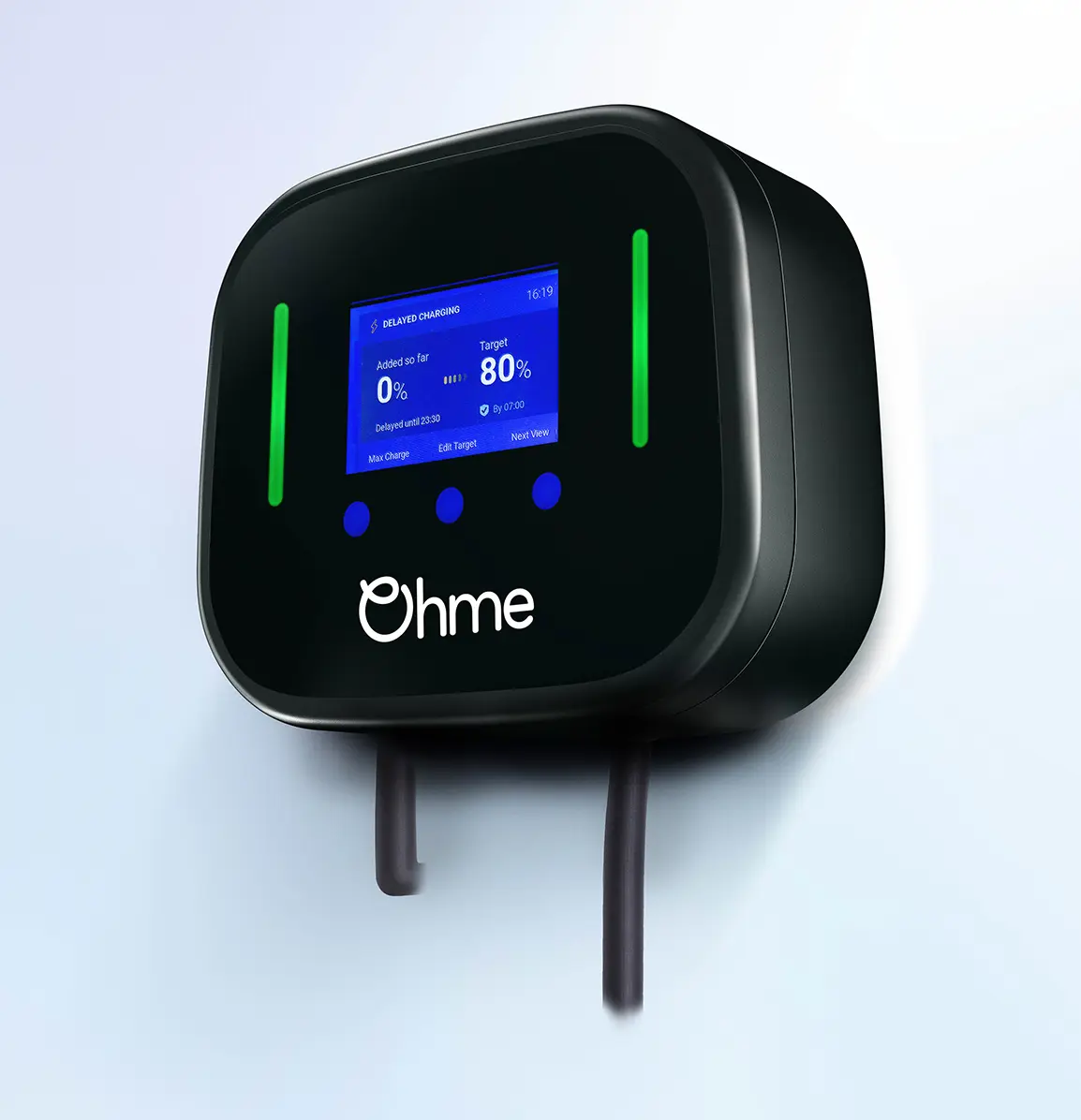
Ohme Home Pro 7.4kW EV Charger
£6007.4
smart,scheduled,manual
false
true
Affiliate link — we may earn a small commission at no extra cost to you
Who should choose E.ON Next Drive?
E.ON Next Drive is a good fit if:
- You're already an E.ON customer and don't want to switch supplier
- You want a simple overnight cheap rate without smart charging complexity
- Your day-rate consumption is significant (cloudy area, small solar system)
- You prefer a longer overnight window for scheduling flexibility
You might prefer Octopus if:
- You want smart charging integration (Intelligent Go)
- You want premium export rates (Flux, Agile Outgoing)
- You want maximum optimisation potential (Agile)
- You have a Tesla system or another Octopus-integrated hybrid (SunSynk, Fox ESS). Existing GivEnergy (see resolution tracker for April 2026 administration status
E.ON Next Drive is a perfectly solid tariff. It does what it says, the rates are competitive, and the longer overnight window is genuinely useful. It lacks the ecosystem and flexibility of Octopus's offerings, but not everyone needs or wants that complexity.
Share this article
Stay informed
Get free solar updates direct to your inbox
Related reading
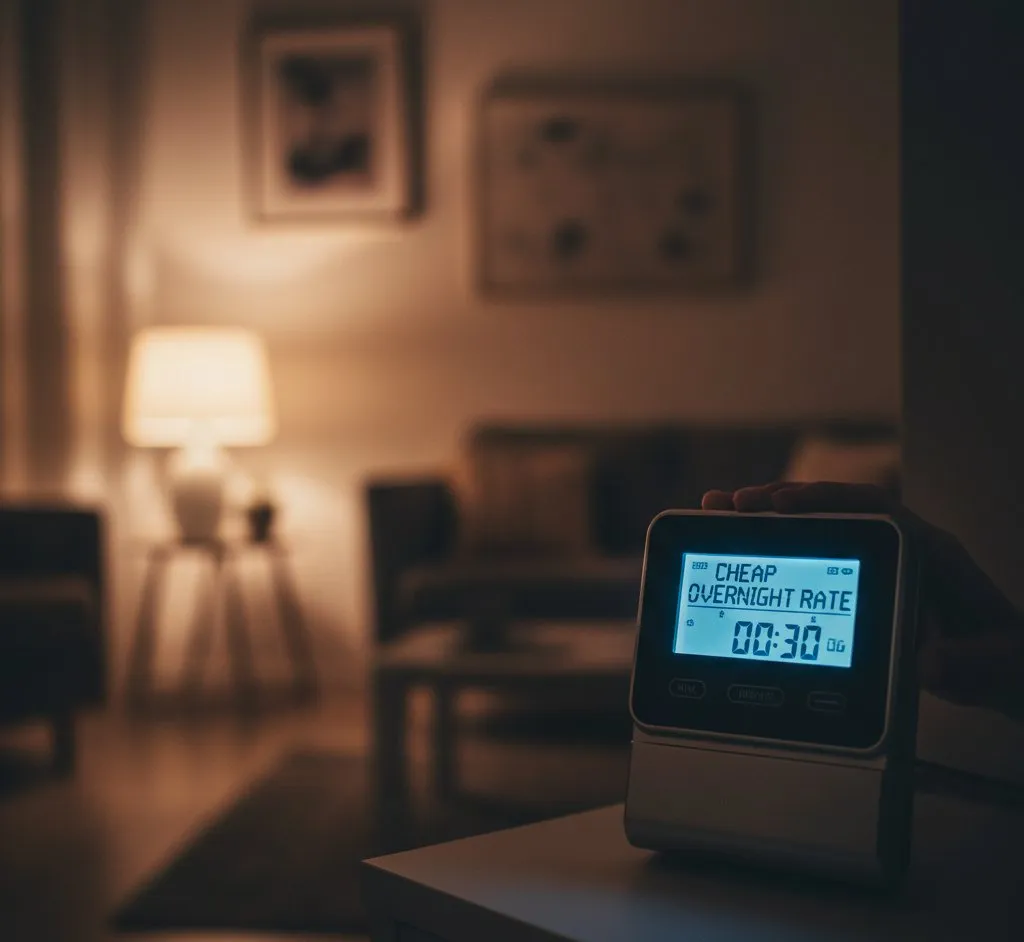
Octopus Go and Intelligent Go Explained
How Octopus Go and Intelligent Octopus Go work for UK households with EVs and solar panels — rates, eligibility, and real-world savings in 2026.
Smart Tariff EV Charging: Scheduling for Maximum Savings
How to schedule EV charging with UK smart tariffs and solar panels — combining Octopus Go, Agile, and Flux with solar to minimise your cost per mile.


Switch to Octopus Energy
Get 50 credit when you switch. We get 50 too — win-win.

Prefer 100% renewable, community-owned?
Your Co-op Energy runs on 100% renewable electricity — profits reinvested in community energy projects.
What does this mean for YOUR home?
Design your perfect solar setup in under 3 minutes. Free, no sign-up required.
Build Your Solar System